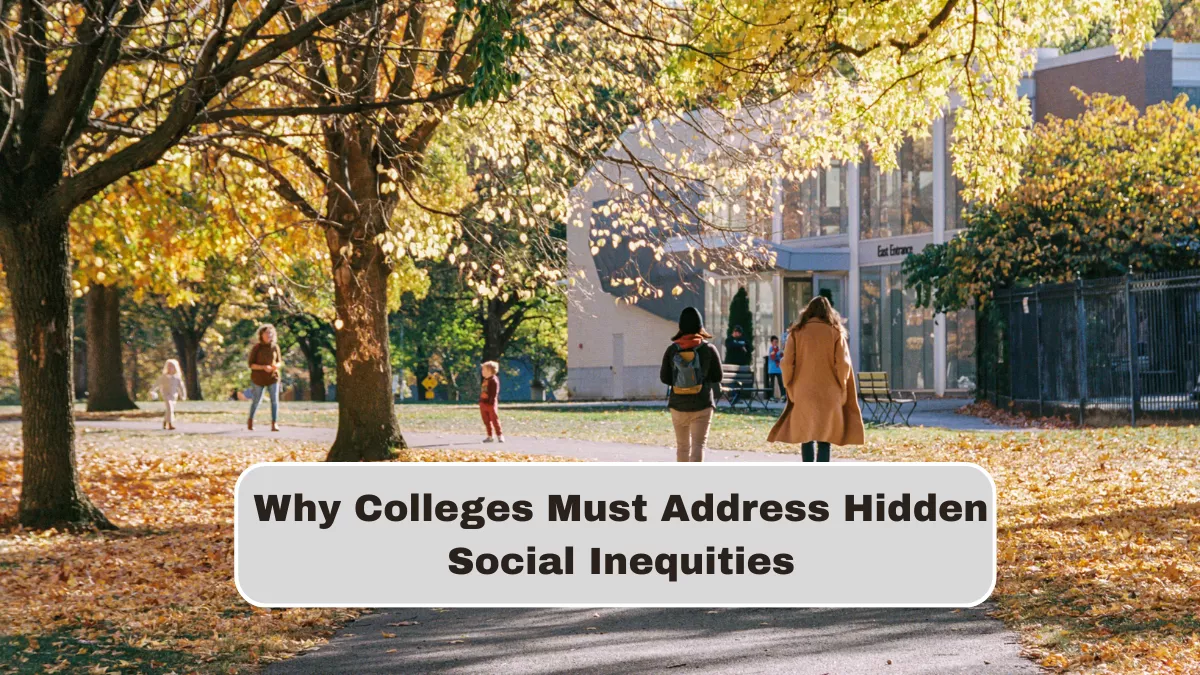
The modern college experience is often portrayed as a gateway to opportunity, personal growth, and upward mobility. However, beneath this idealized surface exists a set of social inequities that quietly shape student experiences and long-term outcomes. Hidden social inequities—rooted in race, class, gender, and access to resources—continue to influence who thrives academically, who feels included, and who benefits most from the higher education system. Addressing these disparities is not merely an act of fairness; it is essential for colleges seeking to fulfill their mission of promoting equal opportunity and social advancement.
By identifying and tackling these barriers, institutions can create more inclusive environments that support a diverse range of students from varied backgrounds. Recognizing these inequities also helps colleges evolve into truly equitable spaces that prepare graduates to lead in an increasingly complex world where empathy, justice, and diversity are key drivers of societal progress.
The Unseen Barriers Within Campus Culture
Colleges often pride themselves on being meritocratic environments where anyone can succeed through hard work and determination. Yet, hidden barriers within campus culture frequently undermine this vision by privileging students with prior access to social and financial capital. Subtle cultural norms, language expectations, and social networks can advantage students from wealthier or better-connected backgrounds while isolating those from marginalized communities. Many first-generation college students report feeling unprepared for academic expectations or unfamiliar with common collegiate rituals.
This lack of belonging impacts mental health, participation, and overall performance. Additionally, the “hidden curriculum”—unspoken rules about navigating college bureaucracy, networking, and career planning—tends to favor students whose families have higher education experience. As a result, inequality often manifests not through overt discrimination but through invisible processes that reproduce social hierarchies. Acknowledging these hidden forces is crucial to reimagining campus culture as an inclusive system that genuinely supports social mobility.
Economic Disparities and Their Academic Impact
Financial inequities remain among the most influential barriers undermining student success in higher education. Many students from low-income families juggle multiple part-time jobs to afford tuition, rent, and textbooks, leaving them with limited time for studying or extracurricular engagement. These financial pressures correlate closely with higher dropout rates, lower GPAs, and reduced access to internships that would enhance career readiness. Moreover, even as institutions expand financial aid programs, the hidden costs of college—such as technology fees, transportation, and housing—continue to widen the gap between affluent and struggling students.
Economic status often dictates social inclusion as well; students without financial security may feel left out of campus life due to an inability to afford social events or travel opportunities. In contrast, wealthier peers often have the advantage of financial stability and family support, allowing them to focus entirely on academic enrichment. Addressing these economic inequalities requires systemic reform, supportive scholarships, and improved institutional sensitivity.
Racial and Cultural Inequities in Academic Spaces
Racial and cultural inequities persist across higher education despite efforts to promote diversity and inclusion. Students of color frequently encounter microaggressions, implicit bias, and academic environments that fail to reflect their experiences or histories. In predominantly white institutions, underrepresented students often face cultural isolation and a lack of role models among faculty. Curriculum designs that center Western perspectives can marginalize non-Western voices, subtly reinforcing cultural hierarchies. Additionally, unequal access to mentorship, research opportunities, and leadership positions means that the paths to academic advancement are not equally accessible to all.
Black and Latino students, for example, are still underrepresented in STEM programs despite proven ability. Colleges must move beyond mere token representation and focus on structural changes such as inclusive pedagogy, faculty diversification, and racial literacy training. Fostering true cultural equity requires dismantling biases within classroom discourse and creating spaces where all identities are affirmed and intellectually empowered to succeed.
Gender Bias and the Persistence of Structural Inequality
Gender inequality within academic institutions often manifests in subtle yet pervasive ways. Women continue to encounter disparities in leadership opportunities, pay equity among staff, and disciplinary representation, particularly within science, technology, engineering, and mathematics fields. The notion of “belonging” also impacts academic choices; societal stereotypes that characterize certain subjects as more “masculine” discourage women and nonbinary students from pursuing them. Furthermore, campus safety issues and inadequate responses to sexual harassment create environments that feel hostile to gender parity. These issues extend beyond students to faculty and staff, where women often shoulder disproportionate emotional labor and mentoring responsibilities without recognition.
Despite progress in awareness, structural reform remains slow because gender disparity is ingrained in institutional culture. Colleges must implement strong gender equity initiatives, transparent hiring practices, and thorough inclusivity training. Cultivating gender fairness is not only a moral necessity but also enhances creativity, innovation, and social representation within higher education spaces.
The Role of Mental Health and Accessibility
Mental health and accessibility are critical yet often overlooked components of social equity within colleges. Students from disadvantaged or marginalized backgrounds carry additional emotional burdens associated with financial stress, discrimination, or cultural displacement. Without adequate support systems, these challenges can culminate in anxiety, depression, or academic disengagement. Furthermore, students with disabilities still face significant barriers despite legal protections ensuring their right to equitable education. Accessibility often extends beyond physical infrastructure to include classroom accommodations, digital accessibility, and inclusive teaching methods.
The stigma around mental health also deters many from seeking help, particularly in competitive academic cultures that prize resilience over vulnerability. To create a truly equitable environment, colleges must integrate comprehensive counseling services, peer mentorship programs, and staff trained in trauma-informed care. Equally important, institutions should promote self-care as part of academic success, ensuring every student has the psychological tools to thrive holistically and sustainably.
Equity in Curriculum and Pedagogy
Academic curricula and teaching methods play a powerful role in shaping whether a college environment is inclusive or exclusive. Traditional curricula often prioritize Eurocentric ideas while minimizing contributions from marginalized cultures and perspectives. This imbalance reinforces unequal power dynamics in knowledge production and can alienate students whose backgrounds and identities are underrepresented. An equitable curriculum should embrace diverse voices, interdisciplinary approaches, and experiential learning opportunities that connect academic theory with real-world social contexts. Inclusive pedagogy also recognizes varied learning styles and cultural expressions, moving away from standardized assessments that may favor particular demographics.
Professors who incorporate dialogue, collaborative learning, and community engagement create classrooms that celebrate diverse intellectual contributions. Regular curriculum audits can uncover systemic biases within syllabi and reading lists. Reforming pedagogy requires intentional design that empowers all students to see themselves reflected in academic content, promoting belonging, relevance, and intellectual curiosity across diverse populations.
The Need for Institutional Accountability
Achieving equity in colleges requires deep institutional accountability rather than surface-level commitments. Many universities issue diversity statements or hold symbolic events, yet fail to translate these expressions into measurable progress. Genuine accountability involves setting clear equity benchmarks, collecting demographic data on hiring and retention, and ensuring transparency in decision-making processes. Leadership commitment plays a decisive role; without administrative advocacy, even well-intended equity initiatives lose momentum.
Colleges must also engage students, faculty, and community stakeholders in developing inclusive policies that go beyond compliance toward transformation. Budget allocation reflects values—therefore, resources must be directed toward programs that support underrepresented groups, enhance mental health services, and address systemic inequities. Additionally, external audits and public reporting can ensure institutional transparency. When colleges prioritize accountability, they demonstrate that equity is not a peripheral objective but a central pillar of academic excellence and social responsibility within higher education’s evolving landscape.
Building a Culture of Belonging and Empowerment
True equity in higher education cannot exist without a foundational culture of belonging. Students need to feel valued not simply for meeting admission standards but for the full range of identities and experiences they bring. A culture of belonging develops through trust, shared purpose, and open dialogue across differences. Mentorship programs, inclusive student organizations, and culturally responsive advising foster this sense of connection. Institutions should also amplify student voices in policy discussions, acknowledging that those most affected by inequities best understand how to solve them.
Empowerment emerges when colleges respect individuality while encouraging collaboration. Such an environment not only reduces attrition rates among marginalized groups but also enriches campus life through diverse perspectives. By centering belonging, colleges can transform educational experiences from transactional knowledge exchanges into transformative human development processes grounded in empathy, integrity, and communal success.
Last Thought
Colleges stand at the crossroads of social responsibility and educational leadership. Confronting hidden social inequities is essential to preserving their credibility as engines of opportunity and progress. True equity requires more than diversity—it demands systemic transformation that acknowledges structural inequality, fosters belonging, and creates accessible pathways for every learner to thrive.
When institutions commit to these principles, they shape graduates capable of advancing fairness and compassion in broader society. The future of higher education depends on its willingness to lead by example, dismantling invisible barriers and ensuring that success is not predetermined by privilege but defined by merit, inclusivity, and human potential.
FAQs
What are hidden social inequities in colleges?
They are subtle or systemic inequalities related to class, race, gender, or access that influence student experiences and success.
How do economic disparities affect college students?
Financial stress limits academic engagement, access to resources, and participation in enriching extracurricular activities.
Why is cultural equity important in higher education?
It ensures all students feel represented, valued, and empowered, enhancing inclusivity and intellectual diversity.
How can colleges promote true equity?
By implementing inclusive policies, reforming curricula, ensuring transparency, and fostering safe, supportive environments.