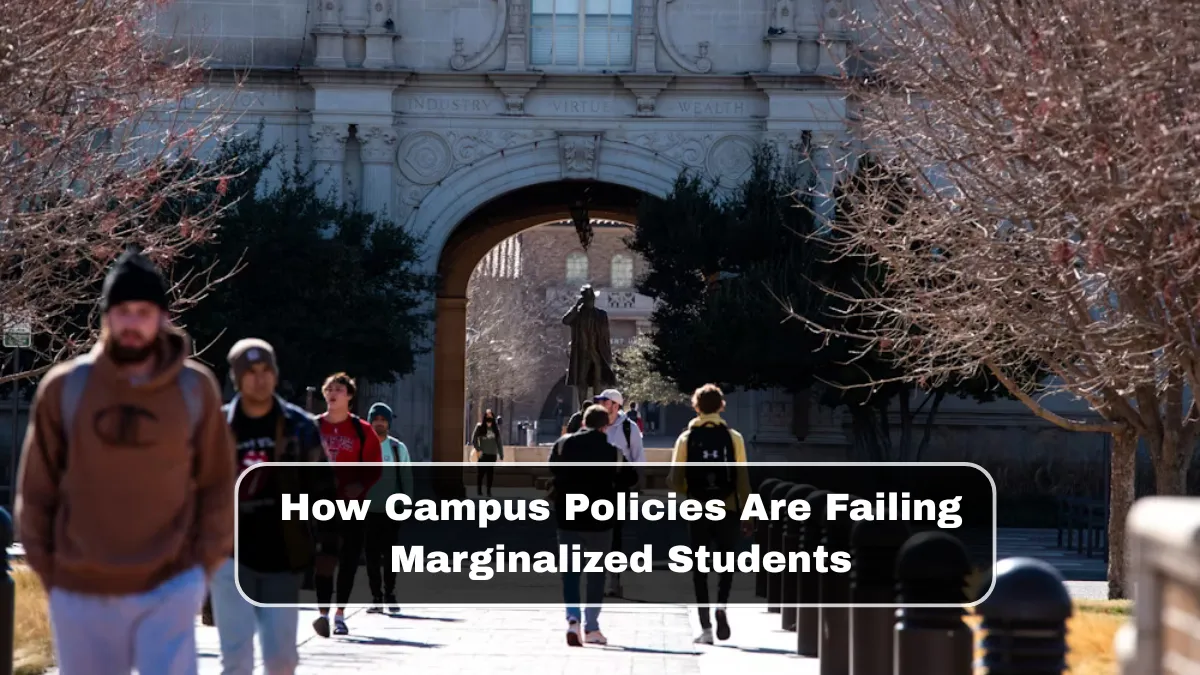
Campus policies, designed to foster inclusive and supportive environments, often fall short for marginalized students who face unique barriers in academic and social settings. Students from minority backgrounds, including racial and gender minorities, disabled individuals, and those from lower economic strata, frequently encounter systematic hurdles that campus policies fail to address adequately. In this article, explore why these policies are not sufficiently supporting marginalized students, the consequences of these failures, and actionable solutions that institutions can implement. Whether in the realm of mental health services, housing, financial aid, or representation, the gaps between institutional ideals and real-world outcomes become glaring when examined closely.
As a content creator and SEO specialist, it is essential to highlight these nuanced challenges and offer both data-driven analysis and empathetic storytelling. This in-depth exploration aims to shed light on the lived experiences of marginalized students, prompting reflection and transformation within educational institutions to genuinely embody their stated values of diversity, equity, and inclusion.
Understanding Marginalization in Higher Education
Marginalization in higher education refers to the systemic exclusion and disadvantage experienced by certain student groups due to factors such as race, gender, ethnicity, disability, or socioeconomic status. Institutions frequently claim to promote diversity, yet the everyday realities for marginalized students often contradict these narratives. Marginalized students may lack access to essential resources, support networks, or representation in policymaking processes. These disparities become evident in campus housing assignments, scholarship opportunities, and curricular offerings that tend to favor majority groups.
Students navigating structures not built with their specific needs in mind encounter persistent challenges, fostering feelings of invisibility or alienation. The lack of targeted outreach programs and absence of culturally competent support exacerbates these issues, leaving students with the burden of self-advocacy. As a result, many marginalized individuals report higher stress levels, lower academic performance, and increased dropout rates. Understanding these dynamics is the first step in addressing how campus policies inadvertently reinforce rather than dismantle systemic inequities.
The Gap Between Stated Policies and Lived Realities
Campuses frequently tout mission statements emphasizing inclusivity, equity, and support for all students; however, the actual implementation of such policies often falls short of their lofty aspirations. This gap manifests through inadequate enforcement, poor communication, and insufficient resource allocation. Marginalized students, in particular, encounter well-intentioned policies that lack follow-through or practical impact on their day-to-day experiences. For example, diversity initiatives may be underfunded, leaving affinity groups unsupported and unable to host meaningful programming or mentorship. Additionally, institutions may ignore or minimize reports of discrimination and bias, leading to distrust in the system and diminished student well-being.
The visible presence of policies alone is not enough when marginalized voices remain absent from decision-making tables. Unless campus leaders prioritize accountability, transparency, and continuous evaluation, the discrepancy between written policies and the realities lived by marginalized students persists, preserving barriers rather than removing them. Such failures ultimately undermine the promise of equal opportunity and safety in higher education settings.
Challenges in Mental Health and Wellness Support
Mental health services on campus are frequently tailored to meet the needs of the mainstream student body, often overlooking the distinctive experiences and stressors faced by marginalized students. These populations are disproportionately affected by anxiety, depression, and trauma stemming from systemic discrimination, microaggressions, or social isolation. Institutional wellness policies may lack culturally competent counselors, leaving students hesitant to seek help or feeling misunderstood during sessions. Stigma surrounding mental health in marginalized communities further compounds this issue, discouraging outreach and open dialogue.
The absence of specialized support groups, limited language accessibility, and long wait times for counseling appointments restrict access to crucial care. Without policies acknowledging these community-specific challenges, marginalized students are at a disadvantage compared to their peers. Effective mental health support demands increased investment in counselor diversity, intersectional programming, and proactive outreach—none of which can be realized if policies remain generic or under-resourced. Therefore, closing these gaps is essential for ensuring that campus wellness initiatives genuinely serve all students.
Housing, Financial Aid, and Institutional Barriers
For marginalized students, navigating housing and financial aid systems on campus often exposes deeper institutional barriers that complicate their educational journey. Housing policies may inadvertently segregate students or fail to account for various needs related to accessibility, privacy, or cultural traditions. Gender-inclusive housing options, for example, are too rare or poorly publicized, forcing LGBTQ+ students into environments where they feel unsafe or unwelcome. On the financial aid front, criteria may disadvantage students from non-traditional backgrounds, placing undue burdens on those who may not have documentation or familial support.
Moreover, the process for securing assistance is often complex, with limited support available for non-native speakers or first-generation college students. Such procedural roadblocks contribute to financial stress and housing instability, directly impacting retention and academic success. Institutional inertia in reforming outdated or exclusionary policies means these issues persist. Until campuses actively seek input from marginalized groups and adapt policies to their needs, the risk of dropout and disenfranchisement remains high.
Representation and Campus Leadership
Representation within campus governance structures is a critical factor in policy efficacy and relevance for marginalized students. Yet, leadership and decision-making bodies tend to lack diversity, hindering their ability to create informed and responsive policies. Marginalized students are often underrepresented in student government, administrative councils, and faculty appointments, which diminishes the visibility of their priorities. When policy discussions occur without substantial input from these communities, outcomes fail to address lived challenges or anticipate unintended consequences.
Many universities have tokenistic approaches, appointing a few individuals from minority backgrounds without empowering them to effect meaningful change. This results in performative diversity rather than structural transformation. Building pathways for marginalized students into leadership roles—supported by mentorship programs and transparent election processes—is essential for authentic progress. Only through equitable representation can campus policies accurately reflect the needs and aspirations of a diverse student body, creating an environment where all feel heard, respected, and supported.
Reporting Mechanisms and Accountability
Effective reporting mechanisms and accountability structures are essential for building trust and protecting marginalized students on campus, but existing systems frequently miss the mark. Complaint processes related to discrimination, harassment, or violence are often confusing, intimidating, and slow to deliver meaningful outcomes, discouraging marginalized students from coming forward. Policies may lack confidentiality guarantees, or investigations may be mishandled due to bias or inadequate training among staff. Without transparent follow-up and communication, students can feel exposed and unsupported, fearing retaliation or further marginalization.
Accountability measures must include regular review of policies, public reporting of aggregate outcomes, and disciplinary action for those who violate campus norms. By empowering marginalized students to participate in crafting these mechanisms, institutions increase legitimacy and effectiveness. When accountability is weak, campus climate deteriorates and trust erodes, reinforcing feelings of vulnerability and exclusion. Therefore, revisiting and strengthening existing policies to ensure protection, confidentiality, and fair treatment is crucial for building a safer and more inclusive academic community.
Consequences of Policy Failures on Student Outcomes
The failure of campus policies to adequately support marginalized students leads to tangible, far-reaching consequences for those affected and for institutional culture at large. Students marginalized by policy neglect are more likely to experience academic underachievement, social isolation, and diminished mental health, ultimately resulting in lower graduation rates. These outcomes undermine the university’s stated goals of fostering success and promoting diversity, threatening its reputation and ability to attract a vibrant student body. Policy shortcomings also impair the formation of inclusive peer networks, reducing opportunities for mentorship, collaboration, and personal growth.
For marginalized students, the double burden of navigating prejudice and bureaucratic indifference compounds stress and erodes self-esteem. When students withdraw or disengage, campus life becomes less dynamic and equitable, stalling progress toward broader social change. Addressing the structural roots of these consequences requires both institutional introspection and a willingness to embrace innovative, equitable policy reforms, ensuring all students can thrive regardless of background or identity.
Toward Transformative Policy Improvements
Transformative improvements in campus policies demand more than incremental adjustments; they require a paradigm shift in institutional priorities and practices. By proactively consulting marginalized communities and making space for their voices in every phase of policy design and implementation, schools can construct solutions that reflect lived realities rather than abstract ideals. Data-driven analysis should inform resource allocation, ensuring support systems are adequately funded and tailored to specific community needs. Training programs focused on cultural competence, bias reduction, and trauma-informed care are essential for staff, faculty, and administrators.
Additionally, policies must be dynamic, reviewed annually through transparent feedback channels to keep pace with evolving realities. Collaborative partnerships with external organizations, policy experts, and student advocacy groups can also enhance institutional knowledge and resilience. The measure of success should not be the presence of policy on paper but concrete improvements in student retention, health, satisfaction, and safety. This transformation requires commitment at every level—from trustees to first-year students—built on empathy, accountability, and sustained action.
Last Thought
The persistent failure of campus policies to address the needs of marginalized students is not merely an administrative oversight—it is a challenge to the values of equity and inclusion that institutions claim to uphold. Real and lasting change begins with institutions listening to marginalized voices, responding intentionally, and building structures that truly serve all students.
Through collective action and thoughtful reform, campuses can become sites of transformation and empowerment—environments where differences are celebrated, not sidelined, and where every student finds support, safety, and belonging.
FAQs
Q: Why do campus policies often fail marginalized students?
A: Policies are frequently designed without adequate input from marginalized groups, resulting in generic solutions that overlook specific needs and challenges.
Q: What are common consequences of ineffective campus policies for marginalized students?
A: Marginalized students may face increased stress, academic struggles, and social isolation, which can lead to lower graduation rates and diminished well-being.
Q: How can educational institutions reform campus policies to better serve marginalized students?
A: Involving marginalized voices in policymaking, increasing resource allocation, and ongoing evaluation are key steps toward more effective and inclusive policies.
Q: Why is representation in campus leadership important for policy success?
A: Diverse leadership ensures policies are responsive and relevant, facilitating environments where all students feel seen and respected.