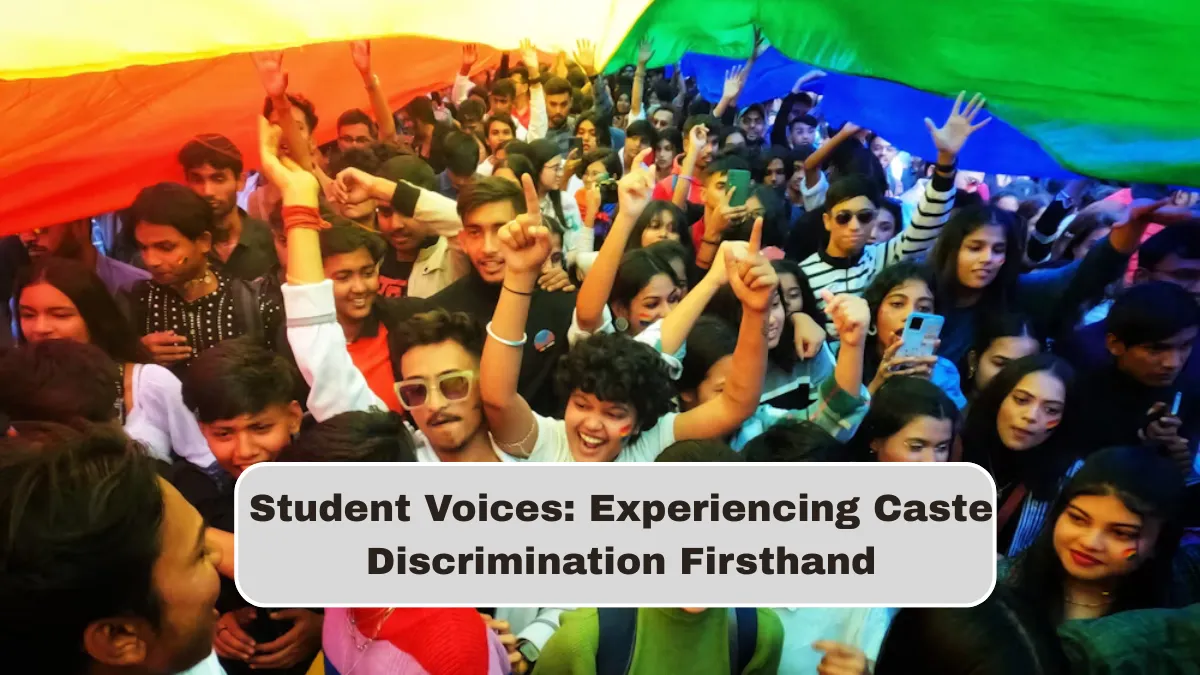
The issue of caste discrimination continues to impact educational spaces across the world, particularly in South Asia, where ancient caste hierarchies still shape identity, opportunity, and inclusion. This pressing social concern has entered classrooms, dormitories, and even academic committees, silently dictating the experiences of students from marginalized castes. Through genuine student voices and lived accounts, this article explores how deep-rooted caste bias manifests in daily interactions, institutional policies, and peer relationships.
It aims to shed light on both the silent suffering and the resilient spirit of students who navigate these challenges every day. By uncovering the lived truths of caste discrimination firsthand, readers can grasp the urgent need for empathy, reform, and cultural awareness in educational settings. Telling these stories not only amplifies the call for equality but also highlights the power of students’ unity and advocacy in dismantling centuries-old prejudice.
The Hidden Reality of Caste in Campuses
Inside modern educational institutions that claim progress and inclusivity, caste remains a quiet but potent divider. Students often encounter subtle biases disguised as jokes, assumptions, or selective exclusion, which collectively erode their sense of belonging. Professors and classmates may unknowingly perpetuate stereotypes about caste-based abilities, linking certain identities with either privilege or deficiency. Many students from oppressed caste backgrounds report feeling alienated during group discussions, project collaborations, and hostel life, where social circles unconsciously mirror social hierarchies.
This persistent invisibility steals their confidence, pushing them to question whether merit alone determines success. Beyond direct discrimination, systemic inequalities like limited access to mentoring or gaps in social capital reinforce the cycles of disadvantage. Even when universities establish anti-discrimination policies, enforcement often remains weak, leaving victims without redressal mechanisms or emotional support. Understanding this reality demands listening to the untold stories of those who silently fight to belong in academic spaces that still echo with ancient inequality.
Voices from the Margins: Students Speak Out
For many students, sharing their experiences of caste discrimination feels both necessary and risky. Some fear backlash, labeling, or academic penalty when they raise their voices against injustice. Yet, within classrooms, student councils, and digital platforms, their stories are beginning to emerge with striking vulnerability and courage. One student recounts being ostracized after classmates discovered their caste during a casual conversation, while another describes how professors subtly questioned their capabilities despite equal academic scores.
Emotional exhaustion, loneliness, and imposter syndrome become common experiences as these students navigate a society that constantly reminds them of inherited hierarchies. Acts of exclusion extend beyond academics to friendships, housing, and social media interactions, creating a sense of isolation that no diversity policy alone can fix. Speaking out is not merely an act of defiance; it is a declaration of identity and demand for dignity. Student voices transform pain into a collective call for radical inclusivity.
Institutional Response and the Gaps in Implementation
While many universities claim to uphold equality and anti-discrimination codes, practical implementation remains inconsistent and opaque. Policies against caste bias often exist only on paper, lacking clear procedures for reporting or accountability. Students who file complaints sometimes face bureaucratic hurdles, delays, or even skepticism from authorities. Faculty sensitization programs, though well-intentioned, often fall short of addressing deep-seated prejudice or structural privilege. Moreover, the absence of caste diversity in administrative positions further complicates intervention, as institutional empathy usually stems from shared understanding.
Even when disciplinary action occurs, transparency around consequences remains minimal, discouraging victims from coming forward. These gaps reflect not just administrative weakness but also societal resistance to acknowledging caste as a serious modern issue. For meaningful change to occur, institutions must go beyond token gestures, embedding equality within curriculum design, mentoring programs, and daily academic culture where inclusivity becomes habitual rather than symbolic.
Intersectionality: Gender, Class, and Caste
Caste discrimination rarely operates in isolation; it intertwines with gender, class, and regional disparities, amplifying the struggles faced by students from overlapping marginalized identities. A Dalit woman, for example, may face sexism in addition to caste bias, compounding her vulnerability in classrooms and hostels. Similarly, students from financially disadvantaged backgrounds often encounter layered stigmas, where assumptions about socioeconomic status coincide with caste judgments. This intersectional experience deepens mental strain, as these students constantly navigate multiple prejudices.
In group activities, internship opportunities, or career counseling sessions, bias appears subtly in the form of lowered expectations or casual dismissal. Recognizing intersectionality allows society to move beyond single-axis understanding and appreciate how oppression multiplies through overlapping barriers. Educational institutions, therefore, must adopt holistic inclusion frameworks that recognize how caste intersects with other social categories, ensuring that equality initiatives genuinely uplift those who face the heaviest burdens of discrimination in academic settings.
The Psychological Impact on Students
Living with everyday caste-based discrimination inflicts profound psychological tolls that often remain invisible to authorities. Students internalize feelings of shame, inferiority, and persistent self-doubt after repeated exposure to microaggressions or exclusion. Over time, this erodes academic performance, motivation, and mental well-being, sometimes leading to anxiety or depression. The sense of never truly belonging can cause emotional withdrawal or reluctance to participate in group activities, which further isolates marginalized students.
While counseling services exist, few are trained to address caste-centric trauma, leaving students feeling unheard or misunderstood. Emotional healing requires acknowledgment as much as therapy; when institutions fail to validate these experiences, they unintentionally reinforce the trauma. Caste discrimination, therefore, must be recognized as a public mental health concern within educational contexts, demanding proactive measures like inclusive counseling programs, peer support networks, and continuous dialogue aimed at rebuilding self-worth and emotional safety among all affected individuals.
Collective Resistance and Campus Solidarity
Despite the challenges, students across various institutions are reshaping narratives through solidarity and collective activism. Student-led organizations, reading circles, and anti-caste collectives are creating safe spaces where marginalized voices can find strength in shared experiences. Through open discussions, workshops, and awareness drives, they challenge both overt and silent forms of caste prejudice. These spaces encourage active allyship, where students from privileged backgrounds learn to recognize and dismantle their own biases.
Social media campaigns further amplify these movements, connecting students globally and giving visibility to stories often suppressed by institutional hierarchies. The growing emphasis on intersectional advocacy recognizes that real change is driven collectively, not individually. This solidarity nurtures empowerment and resists the normalization of discrimination, turning campuses into sites of social awakening. By reclaiming their narratives, students redefine what equality means—not as a distant policy promise, but as lived reality rooted in mutual respect and compassion.
The Role of Education in Building Equality
Education serves as society’s most powerful instrument to dismantle prejudice, yet when shaped by caste, it risks reproducing inequality. Institutions must consciously cultivate awareness through inclusive curricula that challenge caste stereotypes and celebrate marginalized voices. Sociology, literature, and history courses should highlight caste issues not as abstract social phenomena but as living realities affecting millions. Educators play a transformative role by modeling fairness, encouraging open dialogue, and discouraging discriminatory behavior inside classrooms.
Beyond coursework, initiatives like mentorship programs for underrepresented students, scholarships, and diversity training workshops can create tangible change. True educational progress demands introspection, where universities redefine success not merely by academic excellence but by moral inclusion. Every classroom discussion, faculty meeting, and policy revision offers a chance to correct historical injustice. By embedding equality into everyday educational practice, institutions can transform from passive spaces of instruction into active forces of social liberation against caste discrimination.
Last Thought
Caste discrimination within educational spaces is both a social injustice and a moral failure of empathy. While progress has been made through awareness and reform, countless students still endure subtle and systemic exclusion. Each voice raised, however, strengthens the demand for true inclusivity and justice.
A future free from caste bias requires not only institutional commitment but also cultural transformation rooted in compassion and accountability. Empowering students to share their stories ensures that silence no longer protects prejudice. Change begins when empathy becomes as valued as education itself.
FAQs
What is caste discrimination in education?
Discrimination based on caste within educational institutions, affecting student treatment, opportunities, and belonging.
How does caste bias affect student mental health?
It causes stress, anxiety, and isolation by eroding confidence and fostering feelings of inferiority.
What can universities do to reduce caste discrimination?
They can establish strong grievance systems, promote awareness, and ensure representation from marginalized groups.
Why is discussing caste important in education?
Because silence perpetuates inequality; open dialogue promotes understanding, respect, and genuine inclusivity.